Our Location
IQ-Parklaan 54, 3650
Dilsen-Stokkem, Belgium

IQ-Parklaan 54, 3650
Dilsen-Stokkem, Belgium

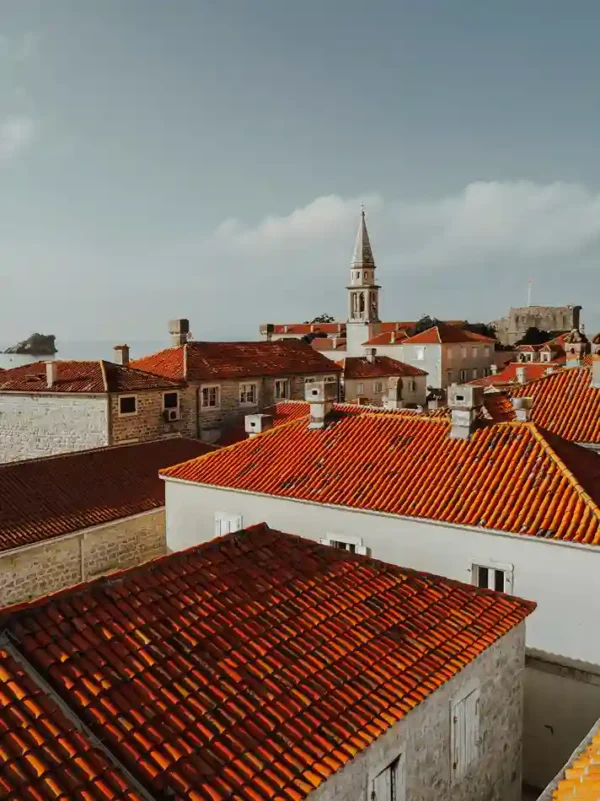
Ever looked at a timeless, character-filled roof and thought, “Why does this home look so effortlessly classy?” In many cases, the secret isn’t some exotic material it’s the humble yet elegant clay plain tile. These small-format tiles have been used for centuries, yet they’re still one of the smartest roofing choices for 2026 if you care about durability, style, and long-term value.
This guide walks you through everything you actually want to know: styles, pros and cons, pricing ranges, installation tips, and how to choose the right plain tiles for your home. You’ll also see where experts and showrooms like tegelplus.be play a role in helping homeowners make better tile decisions.
Clay plain tiles are small, flat roofing tiles made from natural clay, usually with a simple rectangular shape and a single or double nib for hanging on roof battens. They’re typically laid in overlapping courses to create a dense, weather-tight roof covering with a refined, traditional look.
Because they’re small and modular, clay plain tiles are ideal for detailed roofs with hips, valleys, dormers, and complex shapes that would challenge larger-format tiles. They also offer incredible visual texture, especially when you combine different tones, finishes, or handmade options.
If you’re thinking, “These look great, but are they practical?” the answer is yes, and then some. Clay plain tiles offer a combination of aesthetics and performance that’s hard to beat.
Key benefits include:
Let’s break down the benefits in more detail.
Clay plain tiles are fired at high temperatures, which vitrifies the surface and makes them dense and strong. High-quality tiles can resist decades of sun, frost, wind, and rain with minimal degradation. Many manufacturers offer product life expectancies of 70 years or more, and in practice, well-installed clay roofs often last a century.
This longevity means you’re not just buying a roof—you’re making a once-in-a-lifetime investment that can outlast multiple generations of owners.
Clay plain tiles are a favorite for period properties, cottages, and premium new builds because they deliver:
They work incredibly well on traditional European-style homes and heritage projects, but modern architects also use them in creative ways—like combining plain tiles on the roof and vertical elevations for a seamless, sculpted façade.
Unlike concrete tiles, where color is often a surface treatment, clay plain tile colors come from the clay itself or from fired surface coatings (like slips or glazes). That means:
You may see gentle weathering or patina over time, but not the drastic fading or patchiness that can plague some other roof materials.
Clay tiles are non-combustible and typically achieve the highest fire-resistance classifications, making them ideal in areas where wildfire risk or ember attack is a concern.
They also perform well in harsh climates, provided you select tiles certified for your freeze–thaw zone. In frost-prone regions, you’ll want frost-resistant or “severe exposure” rated clay plain tiles to avoid spalling or cracking.
Clay is a natural, mineral-based material with a relatively low maintenance footprint over its life. Many manufacturers emphasize:
If you’re aiming for a more sustainable build or trying to align with green building certifications, a long-lasting clay roof is often an excellent choice.

Now let’s get visual. Clay plain tiles might sound simple, but there’s a surprising amount of variety in how they look and perform.
These are the most common and cost-effective option. Machine pressing and firing give them:
They’re ideal if you want a neat, refined roof with less variation and usually come in natural red, buff, brown, and a range of sandfaced or textured finishes.
Handmade tiles are slightly irregular in shape and thickness, giving roofs a softer, more traditional texture. They’re frequently used on:
Because each tile is slightly unique, handmade roofs catch the light differently, adding depth and personality that’s difficult to reproduce with machine-only products.
Some clay plain tiles have textured, sandfaced, or weathered finishes to emulate aged roofs or match existing buildings. These often feature:
This is a smart option if you’re trying to blend an extension into an older roof or if you want that “established” look from day one.
One of the unique use cases for clay plain tiles is vertical tiling. The same tiles used on the roof can be applied to façades, gables, or dormer cheeks to create a continuous ceramic envelope.
This approach is increasingly popular in contemporary and renovation projects, especially in Europe, where tiles form both the roof and wall covering for a strong architectural statement.
You may be wondering: if clay plain tiles are so great, why doesn’t everyone use them? The answer comes down to cost, weight, and design intent.
Interlocking clay tiles are larger and designed to lock together, reducing the number of tiles per square meter and speeding up installation.
If you’re balancing budget and aesthetics, interlocking tiles can be a good compromise; if character comes first, plain tiles usually win.
Concrete plain tiles exist, but they tend to be:
Clay plain tiles generally offer better long-term color stability and a more refined look, which is why they’re typically favored for premium projects despite a higher initial cost.
Clay plain tiles aren’t suitable for every roof pitch. Most manufacturers specify a minimum pitch—commonly around 30–35 degrees for standard exposure situations, depending on batten gauge and underlay type.
If your roof is shallow (e.g., 15–22 degrees), you may need:
Always check the technical datasheets for the specific tile you’re considering and verify compatibility with your local building codes and climate.
Pricing is a major factor in your decision, so let’s talk numbers. Exact costs vary by country, brand, and whether you choose machine-made or handmade, but general 2025–2026 trends for clay tiles give a good ballpark.
Approximate ranges (installed):
In European contexts where costs are often listed per m², market guides for 2025 show clay tile roof systems commonly falling into mid-to-high price bands compared with other roof coverings, especially once labor is included.
Factors that influence price:
Although clay plain tiles can be significantly more expensive than asphalt shingles upfront, the long-term picture is very different. Because clay roofs can last several times longer than cheaper options, lifecycle costs often work out favorably.
You should also factor in:
If you expect to own the property for a long time or you’re building for future generations, clay plain tiles often make financial sense over the roof’s full lifespan.
You don’t need to become a roofer, but understanding the basics helps you ask the right questions.
Key elements of a clay plain tile roof system:
Because plain tiles are small and numerous, installation is labor-intensive. Choosing a contractor experienced with clay plain tiles, not just generic roofing, is crucial for performance and appearance.
One advantage of clay plain tiles is that, once installed correctly, they need relatively little maintenance. However, a few habits will keep your roof in top shape:
Soft washing or specialist cleaning may occasionally be used to remove moss or algae, but harsh pressure washing is generally discouraged because it can damage tiles or force water into the roof system.
The fun part design. Clay plain tiles come in a wide palette, from classic natural red and orange to browns, buffs, greys, and even deeper charcoal tones depending on the clay and firing process.
Tips for a great-looking roof:
Showrooms and specialists like tegelplus.be, known in Belgium for their extensive tile collections and design-focused advice, can be a helpful starting point when you’re trying to visualize how different ceramics and finishes will work together. Even though they focus heavily on wall and floor tiles, their content and expertise around materials, colors, and tile performance translate well when you’re comparing clay and ceramic options for architectural projects.

Clay plain tiles are especially well-suited for:
They may be less suitable if:
Use this quick checklist when planning your project:
Ticking these boxes early prevents costly surprises later.
If you want a roof that does more than just keep out the rain one that adds character, longevity, and real value to your home—clay plain tiles are hard to beat. They cost more upfront, but they pay you back in durability, timeless aesthetics, and a premium feel that cheaper materials simply can’t replicate.
Your next steps?
Treat your roof like the long-term investment it is, and it will reward you with decades of performance and curb appeal.